A heat pump can feel different from a furnace on a cold day. Instead of delivering a blast of very hot air, it often runs for longer and sends out air that feels only mildly warm. Still, if the air from your vents feels cold or your home keeps getting cooler, it is reasonable to wonder whether something is wrong.
A brief change in how the system sounds or looks may be part of normal operation. A heat pump that briefly delivers cooler air and then restores the indoor temperature is different from one that runs without heating the house. The pattern, duration, and thermostat reading are more useful clues than judging one blast of air from a vent.
Below is a practical way to distinguish typical winter behavior from signs that warrant a professional inspection.
Why a heat pump may blow cool air for a short time
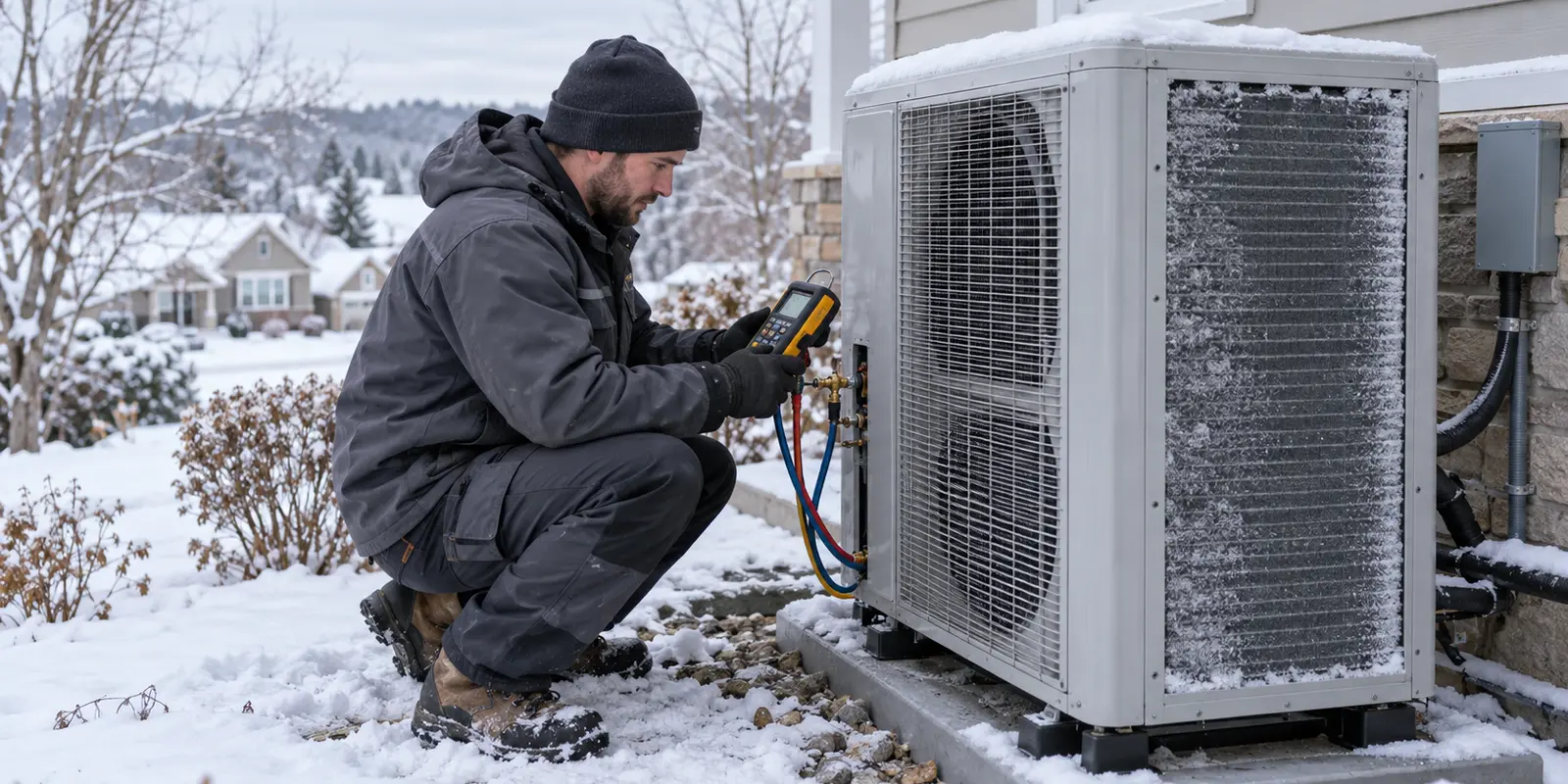
In heating mode, a heat pump moves heat from outdoor air into your home. During colder weather, frost can collect on the outdoor coil. Many systems periodically run a defrost cycle to clear that frost. The system may pause or change its sound, and you might see water vapor or steam near the outdoor unit as the frost melts.
That short cycle can make the supply air feel cooler than usual. The Building America Solution Center’s air-source heat pump guide describes defrost operation. Your owner’s manual is the best source for details about your specific model and its defrost behavior.
A light coating of frost can be normal in cold, damp weather. Thick ice that stays on the unit, repeated long periods without heat, or a home that cannot maintain its set temperature are different signs and deserve attention.
Heat pump blowing cold air: what is normal and what needs attention?
Air feels less hot than furnace air, but rooms stay comfortable
What it might mean: Heat pumps often supply lower-temperature air over longer periods
Reasonable next stepCheck the thermostat and monitor indoor comfort; compare with your system manual
A brief period of cooler air, steam, or water near the outdoor coil
What it might mean: The unit may be defrosting in cold, damp weather
Reasonable next stepObserve from a safe place and check whether normal heating resumes
Home temperature keeps falling even though Heat is selected
What it might mean: The equipment may not be meeting demand; causes vary by system
Reasonable next stepRecord the temperature, settings, and duration; contact a qualified HVAC technician
Outdoor unit remains buried in thick ice
What it might mean: Defrost or airflow may not be working as intended
Reasonable next stepDo not chip ice, open panels, or pour water on the unit; arrange service
Repeated error alerts, breaker trips, smoke, or electrical odor
What it might mean: A malfunction or electrical hazard may be present
Reasonable next stepAvoid repeated resets or equipment contact. For smoke, fire, or immediate danger, get to safety and contact emergency services
A normal defrost cycle should end. Its exact timing and whether supplemental heat operates depend on the model, so the owner’s manual is more useful than a universal minute-by-minute rule. The ENERGY STAR ductless heating and cooling guidance also explains why unobstructed airflow, clean filters, and appropriate operating modes matter.
Safe checks you can make first
Try these simple observations before arranging a repair visit:
- Confirm the thermostat mode. Set it to Heat and check that the target temperature is above the room temperature. If your thermostat has an Auto or auxiliary heat setting, follow the system manual rather than changing unfamiliar settings.
- Check the air filter. If it is meant to be changed by the homeowner, inspect it and replace it with the size and type listed for your system. A clogged filter can restrict airflow.
- Make sure vents are open. Move rugs, furniture, or curtains away from supply vents and return grilles.
- Look at the outdoor unit from a safe distance. Keep leaves and loose snow from blocking the area around it, following the clearances in your manual. Do not chip ice, pour hot water on the unit, or cover it.
- Notice how long the symptoms last. Record the thermostat setting, outdoor conditions, whether the unit is iced over, and any visible error message.
Do not remove equipment panels, touch wiring, or try to service refrigerant lines. If a breaker trips repeatedly, do not keep resetting it.
Why a heat pump may run but not heat the house
There isn’t one reliable diagnosis you can make just by feeling cool air at a register. Several situations can look similar:
- Thermostat settings or fan operation: Confirm Heat mode and the programmed setpoint. A fan running when the compressor is not actively heating can make the supply air feel cooler; follow your model’s controls documentation rather than changing unfamiliar settings.
- Restricted airflow: A dirty homeowner-accessible filter or obstructed return grille can reduce airflow. Address only tasks the manual identifies as safe for you.
- Normal defrost versus persistent icing: A brief winter defrost cycle differs from ice that remains after operation should have resumed. Do not attempt to remove ice yourself.
- Low outdoor temperatures or heating demand: Some systems use auxiliary or backup heat depending on equipment design and conditions. That display alone does not confirm a fault, but persistent comfort problems deserve an assessment.
- Equipment or controls problems: Persistent lack of heat can also involve issues a technician must diagnose, such as sensors, controls, airflow, or other system components. Do not attempt electrical testing or refrigerant work.
If a heat pump runs but the indoor temperature cannot reach the setpoint, contact a qualified provider rather than repeatedly changing settings or waiting through prolonged inadequate heating.
When to call for heat pump repair
Contact a qualified HVAC technician if the heat pump continues blowing cold air after a brief defrost cycle, the indoor temperature keeps falling, or the system runs constantly without maintaining comfort. Also arrange an inspection if you see heavy ice that does not clear, hear repeated unusual noises, notice frequent starts and stops, or find a visible error code.
If the system has auxiliary heat, the thermostat may show when it is operating. Some use in very cold weather can be expected, but a sudden change in energy use or comfort is worth discussing with a technician. Avoid guessing at the cause from the display alone.
What to tell the HVAC technician
A short, specific report can make the service conversation more productive. Note:
- Equipment: heat pump brand/model if accessible without opening panels, and whether it is ducted or ductless.
- Thermostat: Heat mode, current indoor temperature, requested temperature, and any auxiliary-heat or error display.
- Timing: when the cold-air problem started, how long it lasts, and whether heat returns afterward.
- Outdoor observation: frost, persistent heavy ice, obstructions, or unusual noises noticed from a safe distance.
- Recent history: filter checks, recent maintenance, recurring alerts, and whether all rooms are affected.
Ask whether the provider services your particular heat pump, whether a diagnostic visit includes a written explanation, and what after-hours charges or repair authorization rules apply.
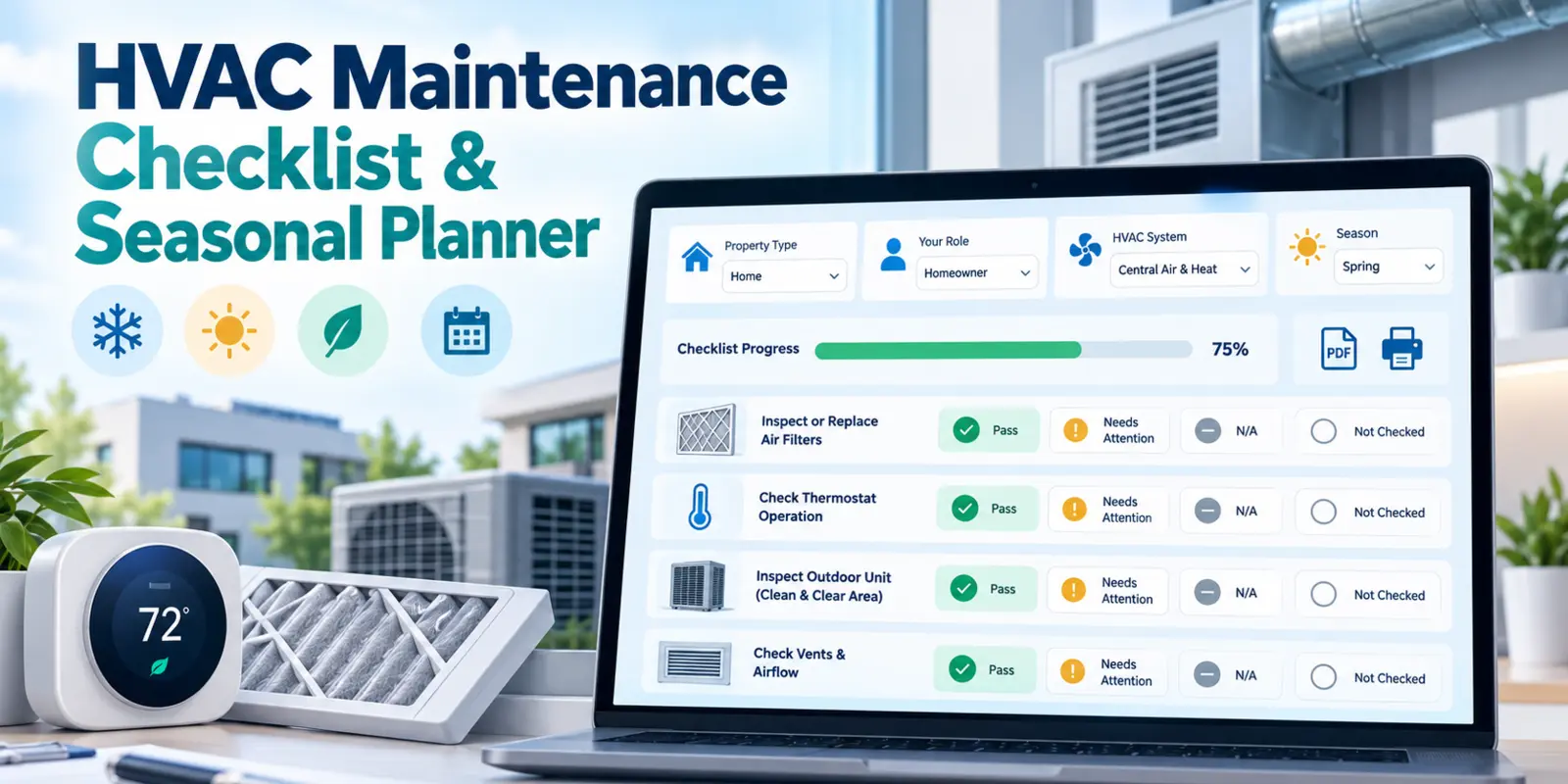
You can organize these observations before the call with the free HVAC Maintenance Checklist & Seasonal Planner. Select Heat Pump and the relevant season; record safe observations and issues marked Needs Attention. The checklist is a record-keeping aid, not a heat-pump diagnosis.
For other heating concerns, see our guide to safe checks when a furnace won’t turn on and our HVAC maintenance checklist. To organize seasonal observations for a heat pump or another supported system, use the HVAC Maintenance Checklist & Seasonal Planner.
Frequently asked questions
Is it normal for a heat pump to blow cold air during defrost?
The air may feel cooler while the system clears frost from the outdoor coil. The cycle should end and normal heating should resume. If cold air continues or the home temperature drops, contact an HVAC professional.
Should I turn off a heat pump that has ice on it?
A light frost can be part of normal winter operation. Do not scrape, chip, or pour hot water on the unit. If the coil is buried in thick ice or the ice does not clear, follow your owner’s manual and arrange professional service.
Can a dirty filter make a heat pump feel like it is not heating?
A clogged filter can reduce airflow and affect comfort. Check only a homeowner-accessible filter and replace it according to the system instructions. If heating does not improve, the filter may not be the cause.
What if my heat pump runs all day but never reaches the set temperature?
Record the indoor temperature, setpoint, outdoor conditions, and how long the problem continues. Persistent inability to heat the home is a reason to contact a qualified HVAC technician; do not assume it is simply a defrost cycle. If unsafe indoor temperatures put someone at risk, prioritize a safe place and appropriate local assistance.
Does auxiliary heat mean my heat pump is broken?
Not necessarily. Some systems use supplemental heating in certain cold-weather or defrost conditions. Check the equipment documentation, and consult a technician if the behavior is new, unusually frequent, or comes with inadequate comfort or a sharp change in electricity use.
Find HVAC service options
Need a professional heating assessment? Open the Quick Service Search Services directory and choose the available HVAC, Heating, or Air Conditioning option relevant to your location. Explain that your heat pump is blowing cold air or running without heating, share your recorded observations, and confirm that the provider works on heat pumps. Ask about service area, availability, diagnostic charges, and written approval before repairs.
For ongoing care, see the HVAC maintenance checklist or create a seasonal heat-pump checklist. For a full walkthrough of printing and recording inspections, read our HVAC planner user guide.
Quick Service Search connects visitors with independently provided service options; it does not perform HVAC diagnosis or repairs.
Share this article
Know someone who might find this useful? Pass it along.